A nightclub could be equipped with bartenders who are trained with written alcohol policy, and an experienced manager on each shift. The security measures may appear reassuring in a manual for employees.
Imagine a bustling Saturday night with several bartenders serve the same group. The floor manager is dealing with an issue, and patrons order rounds from multiple places. Who will be responsible to determine when a person has ceased to be eligible for alcohol?
This question can reveal more about a dram shop lawsuit than simply the number of drinks that were sold.
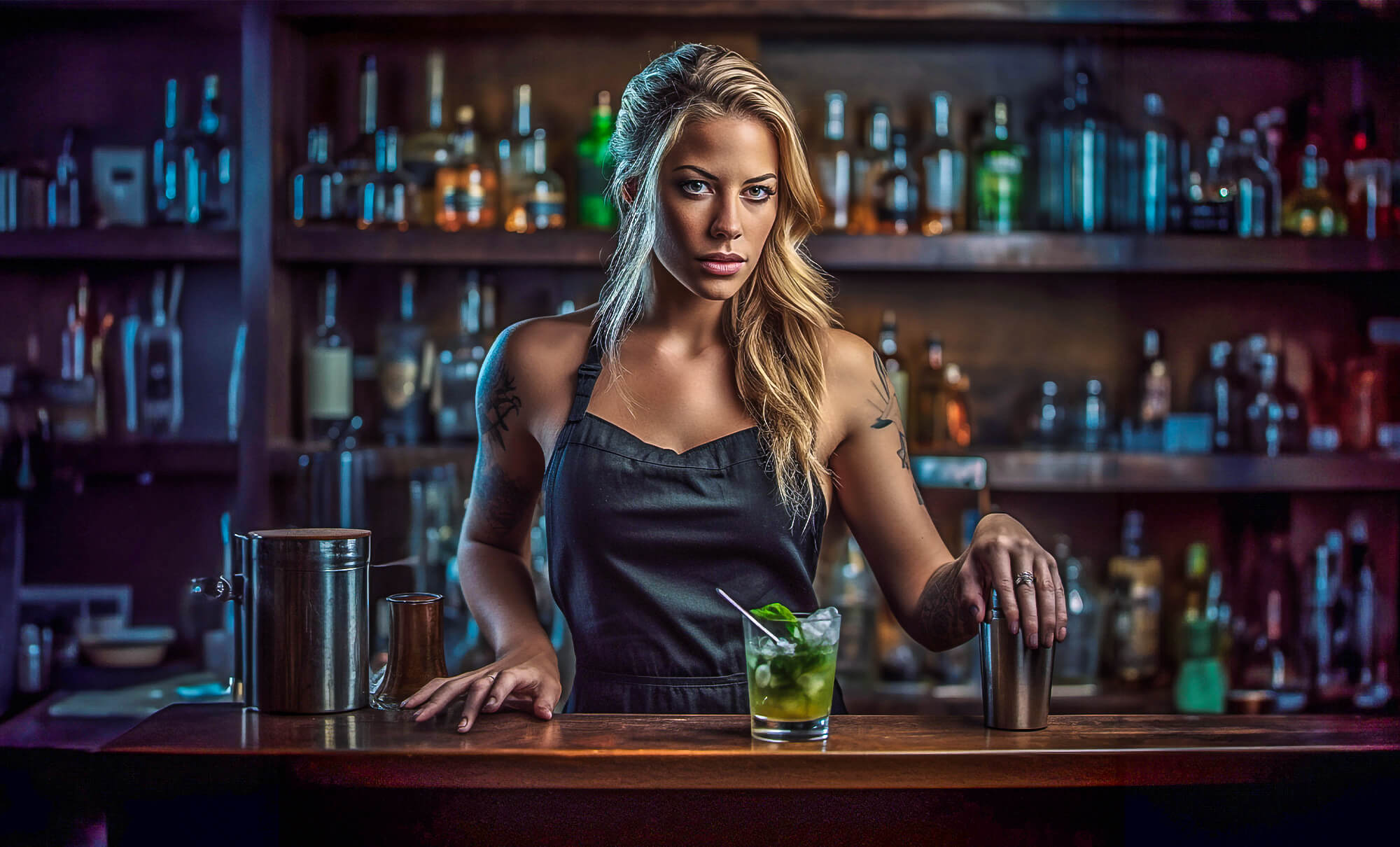
The first step in an investigation of overservice is to determine what the staff could see
A Dram Shop expert witness examines whether alcohol-service decisions were consistent with recognized industry practices and the circumstances employees actually encountered.
Intoxication is not enough to establish that the bartender knew of the warning indicators. The investigation should take into account the customer’s behavior, timing of service, as well as the bartender’s observations.
Surveillance footage may show employees interacting with each others, performing unusual movements or having difficulty walking. Statements from witnesses can provide additional information, but their recollections could differ. It is crucial to distinguish between what investigators learned about an incident, and what personnel could have reasonably known in the moment.
One Tab Doesn’t Signify One Drink
The points-of-sale records are useful, but they require experience with hospitality to read. A customer might purchase several rounds of drinks to share with their friends. A number of people could be involved in an order for bottle service. Bartenders who are separate from each other can take orders without recognizing that a different employee was serving the order.
A Alcohol expert witness can examine the duration of transactions, alcohol consumption as well as surveillance records and the staffing record to determine an accurate timeline for service.
This analysis may identify moments when employees had the chance to recognize intoxication or intervene. It is also a way to determine situations in which the evidence is not sufficient to determine who consumed certain drinks.
The floor is where the training takes place.
The accreditation of employees is essential however it doesn’t instantly determine how a location worked during a specific shift.
Investigations can determine whether or not employees are adequately trained, whether they understand the intervention procedures and whether managers have reinforced policies.
Preston Rideout has more than 30 years experience working in the hospitality sector, including bartending and managing nightclubs. He also provides drinks program consultancy.
Professionally, his qualifications show that he has 112 seller-server certifications covering 48 states and the District of Columbia.
The combination of both lets him examine the amount of training employees received and their operational decisions. For instance, a bartender might recognize the problem but have no clear guidelines for contacting management or recording a refusal of service. The effectiveness of supervision may therefore become just as important as the individual employee’s actions.
Insurance Investigations could ask similar Questions
Expert witnesses in Liquor liability often answer the same operational issues for insurance companies attorneys, coverage counsel, and defense attorneys. Although the language may vary, the underlying investigation concerns the alcohol service and staff behavior.
An exhaustive review can include incidents reports, written policies and procedures, videos employees’ schedules, certificates, records, as well as deposition testimony. It is not an expert’s job to help the person who is seeking them. The expert has to explain why the evidence supports, identify pertinent practices within the industry and accept any limitations.
Experience helps explain the decisions That Drive the Records
Rideout has worked with plaintiffs and defendants across 11 states, to give testimony on alcohol-service, hospitality and other aspects.
His study focuses on bars nightclubs, restaurants resorts, casinos as well as other settings for hospitality in which alcohol is a part of daily operations. Each place has different staffing structures and supervisory challenges.
A bartender working in a restaurant’s dining room may be better able to observe clients than an employee at a nightclub service counter. Understanding these differences can help place the evidence in the proper context of operation.
A Credible Opinion isn’t able to fill The gaps by making assumptions.
Dram shop laws are different according to jurisdiction. Expert testimony from operational experts is not a substitute for legal advice. The most effective analysis will clarify how the employees acted and what recognized practices were in place, and which conclusions are reasonable on the basis of the evidence.
Sometimes, the records reveal the fact that a change occurred from the established procedure. They may also show that an employee adhered to the proper practices or did not answer key questions.
It is vital to differentiate between these two when lawyers are in evaluating claims involving alcohol. A professional’s opinion is more useful than just describe what happened. The court is able to understand how decisions were made within the establishment, even if no one knew what the final outcome would be.