For one customer, the appeal of the wig’s color is offset by a cap that causes discomfort after several hours. A believable hairline is welcome, but another customer finds a daily twenty-minute lace routine impractical. For a third buyer, the appearance is not the issue. It is the unanticipated weight created by the wig’s density.
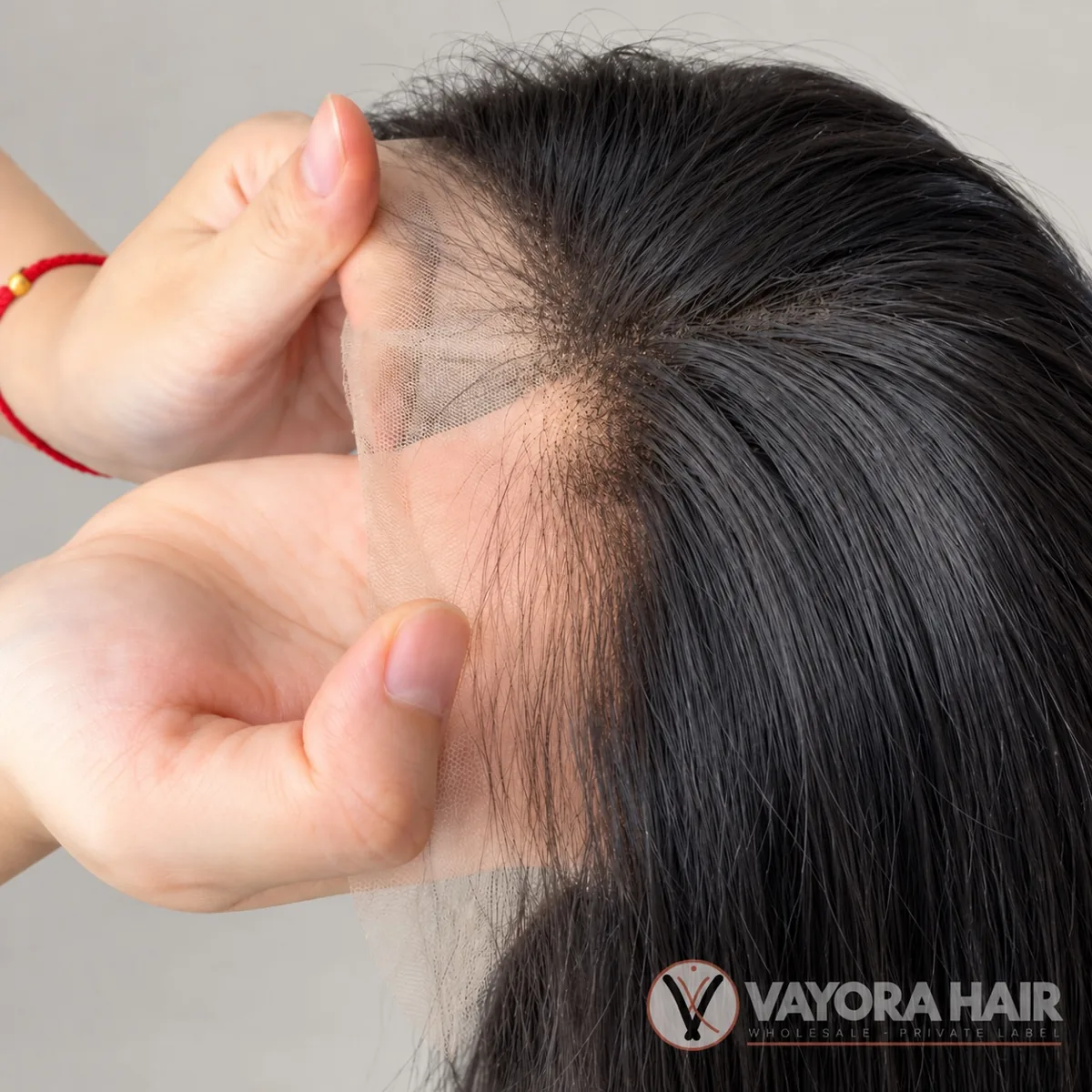
Image credit: vayorahair.com
To a wig brand, these observations represent more than isolated customer reactions. Such observations can guide design decisions toward products that deliver a better experience for wearers.
The latest trending hairstyle is not necessarily the basis of a successful wig collection. The foundation is a solid understanding of the experience customers seek that buyers want.
Explore the Concerns Behind Customer Feedback
A customer’s explanation of a need is rarely expressed in manufacturing terms. Instead, their comments center on convenience and comfort, confidence and appearance. A construction without glue could be one response to feedback about reducing the effort of the morning routine. Feedback about a hairline that does not look natural can direct attention to lace appearance, knot treatment, hair density, or the design of the part.
A human hair wig manufacturer China brands work with should be able to translate these everyday concerns into measurable product specifications.
Rather than asking for a 22-inch body-wave wig alone, a buyer can outline the experience intended for wearers, cap fit, lace construction, the look of the hairline, and finished weight. With that information, developers can work toward a better-defined goal.
Make Your Private Label Collection Recognizable
A common misstep for emerging wig brands is to base the catalog on whatever is popular at the time. Competing stores may end up offering remarkably similar collections.
Working with a private label wig manufacturer China retailers can collaborate with allows brands to develop a more consistent product identity. That might mean creating a lightweight everyday collection, a premium natural-hairline range, or ready-to-wear wigs designed for customers who prefer minimal preparation. To keep the collection cohesive, align texture, length, color, density, cap construction, and packaging with one customer promise. A recognizable collection gives shoppers a reason to return beyond a temporary discount.
Glueless Construction Go Beyond a Name
Although the word “glueless” sounds straightforward, the experience of wearing the wig depends on a range of construction details. To understand fit, consider adjustment features and cap sizing, attachment components, lace preparation, and hairline design. All influence how comfortable and secure the wig feels.
A glueless wig manufacturer China buyers choose should help clarify these requirements before production begins. For example, a brand targeting first-time wig wearers may prioritize manageable density, pre-cut lace, and straightforward adjustment features. Different customization options might be necessary in a collection aimed at professional stylists. One approach is not necessarily better than the other. Each serves a different customer.
Sampling Protects the Brand’s Reputation
Even a good product photograph provides only part of the information about a wig. A buyer should assess cap fit and hair movement, check the color against expectations, and confirm whether the finished construction matches the approved design. Reviewing samples allows buyers to identify differences before ordering in greater quantities.
Consistently producing the same style calls for clearly recorded requirements and quality-control procedures, particularly for a wholesale human hair wigs supplier handling repeat orders. The success of the first batch may be hard to reproduce without clear references.
Expanding a Wig Range With a Clear Direction
VAYORA supports B2B wig brands, retailers, and distributors through product development, private label services, sampling, specification control, and repeat-production workflows. Its approach connects customer expectations with the physical details that determine how a wig looks, fits, and feels.
A catalog expansion should follow a close examination of customer feedback, identification of the strongest product opportunities, and establishment of explicit approval standards. More styles are not necessarily what the next successful product lineup requires. The greater opportunity may lie in making fewer compromises in the designs buyers already seek.