The success of a park construction isn’t necessarily determined on opening day. The test will be better five to ten, ten, and twenty years down the road. Do you think the toilet requires minimum maintenance? Do the materials have acclimatized to weather conditions and the constant use of public restrooms? Does the building appear natural in the park? What’s most important is to consider is how the original idea was transformed into a structure that does what it was intended to?
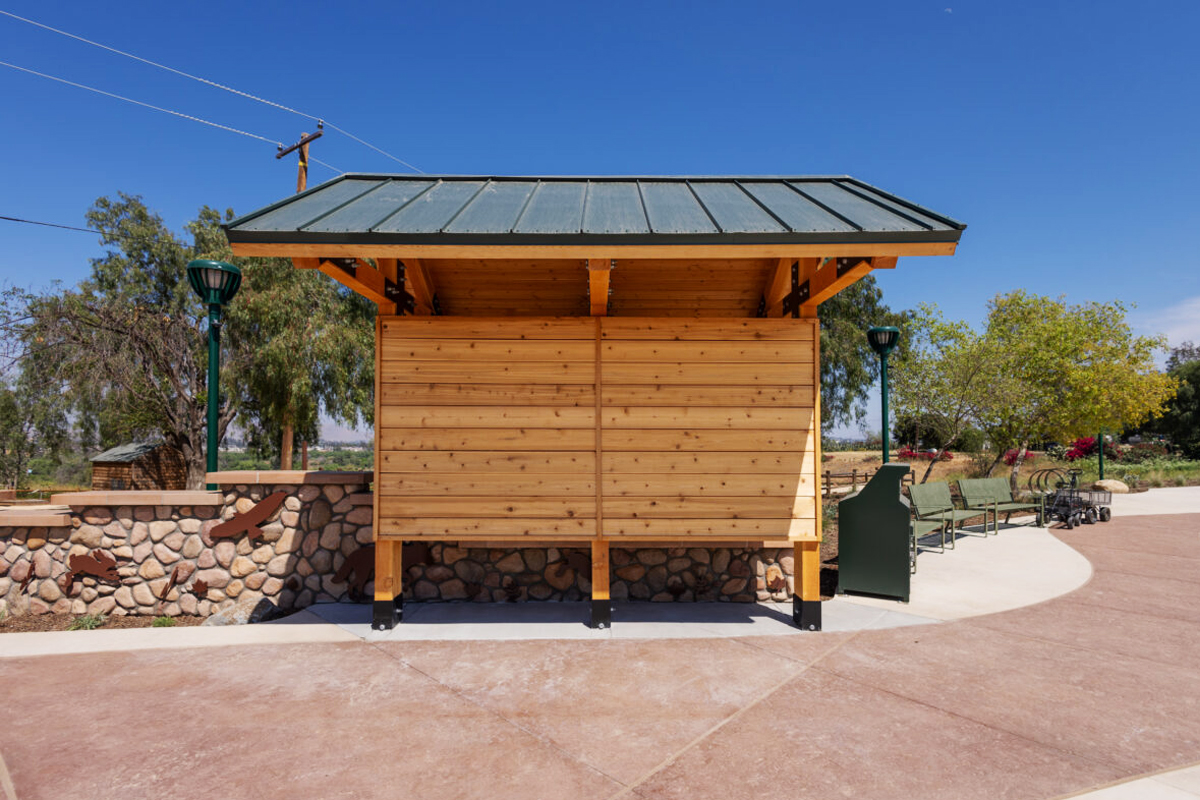
Image credit: romtec.com
Those questions illustrate why selecting the best park building designer involves more than comparing attractive renderings. Public architecture needs to endure permitting, bidding, and construction. Also, it needs to be maintained through years of use.
Design decisions can have a direct impact on operations
Examine the exterior finish. It can influence the look, but can also affect cleaning costs, repair costs and weather resistance. The roof design can help enhance the appearance of a park. It can also altering drainage and maintenance. The design of the interior layout could affect the accessibility of a park, in addition to the flow of people through clean-up procedures and the placement of fixtures.
The most effective designers of park toilets should take into account both the design and the operational aspects.
Romtec works with landscape architects as well as contractors, municipalities and other project stakeholders to develop custom restroom buildings rather than restricting the scope of projects to a select group of standardized appearances. Materials, shapes and hues can be coordinated to the surrounding area.
The Drawing Must Become a Building
The idea might look appealing on screen, but it’s not feasible to build or price. All of these factors are taken into account: construction codes, ADA regulations, local architectural review, components available in the market, structural requirements, construction costs, etc.
Romtec offers support to projects in the form of preliminary designs, estimates and bid drawings. We also provide specifications, renderings, and engineered plans as well. The involvement of Romtec helps to carry the architectural concept from early planning into procurement and construction.
This middle section of the construction project should be carefully considered by owners when selecting the best park bathroom builder. The transition between design and construction is the place where there are no specifications, poor material selections, or a lack of coordination could lead to costly.
Infrastructure is Public Restrooms
It’s easy to think of restrooms for public use as an addition to the overall park. Operatingly, they function more like infrastructure.
A busy restroom could be used by families youngsters, seniors and athletes, tourists, maintenance personnel, and visitors with disabilities throughout the same day. Based on the type of plans, planners might have to take into consideration ADA accessibility, durable surfaces and ventilation, as well as utilities, vandal-resistant components, energy efficiency cleaning access, as well as expected capacity for visitors.
Camping facilities have different requirements unlike a city park. A sports facility might experience heavy traffic during games, whereas a neighborhood facility could experience moderate to constant usage. Rather than addressing these differences in the aftermath of construction, they need to be considered in the design of the structure.
Budgeting without planning everything out
Cost control is essential in public construction, but value engineering doesn’t have to be a means of removing all distinctive features.
The ability to determine the exact construction and material costs before they are incurred can help designers make smarter tradeoffs. There is a chance to redirect money from an element that has no practical value towards a more durable material, better fixture, or architectural element that contributes more meaningfully to the building.
Romtec has experience with restrooms and other facilities, such as pavilions, shelters for concessions, showers, and multi-purpose spaces. This allows conversations to take place even though the designs are still fluid.
In the end, a well-designed park restroom is successful due to the fact that visitors don’t have to think about it. It’s easily accessible, easy to locate, suitable to the surroundings, reliable, and built for years of public use. In the background is an amazingly detailed blend of engineering, architecture, budgeting documents, and construction planning.