The quality of a park construction isn’t always determined at the time of its opening. Better tests are available five, ten, or twenty years in the future. Does the toilet still require little maintenance? The material has lasted through constant use by the public and weather? Does the structure continue to function naturally within the park? The most important thing is, did the original design result in a structure that actually works?
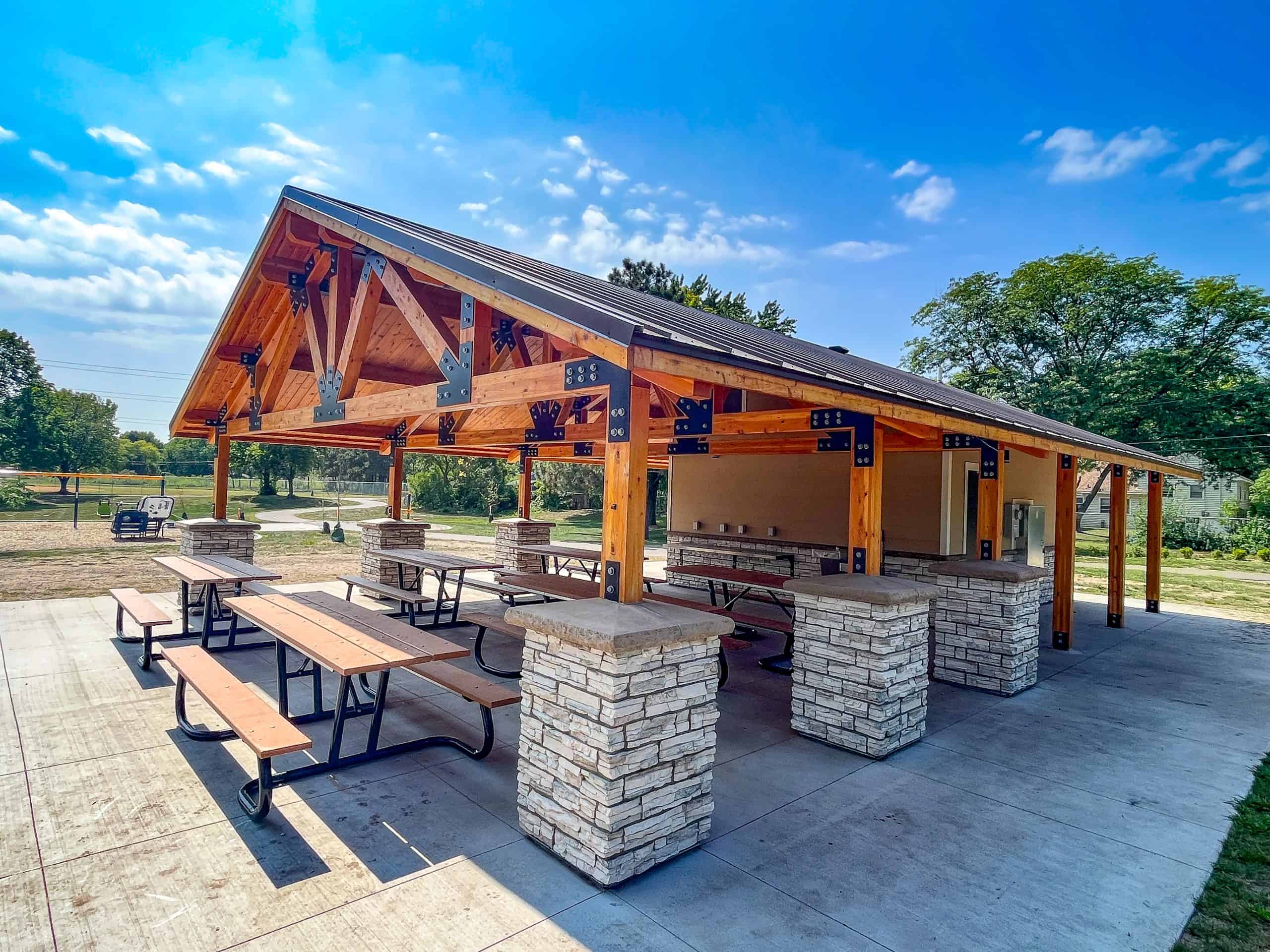
Image credit: romtec.com
This is why deciding on the ideal park architect involves more than comparing attractive renderings. Public architecture must survive the permitting process bidding, construction, and maintenance, in addition to many years of regular usage.
Design decisions have implications for operations
Think about something as basic as the surface of the exterior. It affects the appearance however it also affects cleaning requirements along with repair costs, weather resistance and the methods to remove graffiti. Roof design can reinforce the visual character of a place, but it also has the potential to affecting maintenance and drainage. Interior layouts can affect accessibility and cleaning schedules, as well as the flow of visitors and the placement of fixtures.
The most effective design of parks’ restrooms should consider both the architecture and the operational aspects.
Romtec works in close collaboration with municipalities, contractors, and other stakeholders to create bathroom facilities that are unique instead of restricting projects to a limited selection of typical designs. Materials, shapes, colors, fixtures, siding and other elements can be coordinated with the surrounding development.
The drawing needs to be transformed into a real building
Even if an idea looks great on screen, it can still cause issues in the real world in terms of construction or pricing. The building codes, ADA requirements and local licensed architectural review as in addition to the availability of components for construction, structural requirements, and cost are all elements to take into consideration.
Romtec offers assistance to projects by providing preliminary designs, estimates, and bid plans. We also offer specifications, renderings and engineered plans as well. Romtec’s involvement helps create the architectural design from concept to completion.
Owners should be mindful of the middle of the design when determining the best builders for parks restrooms. Unrealistic specifications, uninformed materials, and poor coordination could be costly in the transition from designs and construction.
Infrastructure is Public Restrooms
It is easy to think of public restroom buildings as accessories to the larger park. In terms of their operation, they are much more comparable to infrastructure.
A crowded restroom can serve visitors of all ages, which includes adults, children athletes, maintenance staff, tourists, and people with disabilities throughout the day. Based on the type of project, planners may need to think about ADA access, durable surfaces including ventilation, utilities vandal-resistant parts, energy efficiency cleaning access, as well as the capacity of visitors.
Camping facilities have different requirements as compared to a park located in the city. A sports facility could experience an intense amount of traffic centered around games, whereas a local facility might see moderate but consistent daily use. Instead of addressing these distinctions at the time of construction, they ought to influence the design of the building.
Budgeting without planning everything out
Cost control in public buildings is inevitable However, this doesn’t mean you have to get rid of every unique feature.
Understanding the cost of materials and construction earlier will aid designers in making more informed choices. An item with little value in terms of operational use can be changed into a stronger and functional material or an architectural element which is more valuable.
Romtec’s experience with restrooms, pavilions, concessions, showers, shelters, and multipurpose facilities allow these conversations to occur while the designs remain flexible.
Ultimately, a properly designed park bathroom is efficient simply because people don’t need to think about it. It’s easily accessible, easy for people to find, appropriate to its surroundings, durable and designed for decades of public use. Its apparent simplicity hides a complex combination of engineering, architectural budgeting, and documentation.